Florida heat, saltwater, and frequent ramp dunking put more stress on a boat trailer than most road trailers ever see. A five-minute check before you hitch up can be the difference between a smooth launch day and an expensive tow. Here’s what our techs check first and what you should check too.
Wheel-Bearings
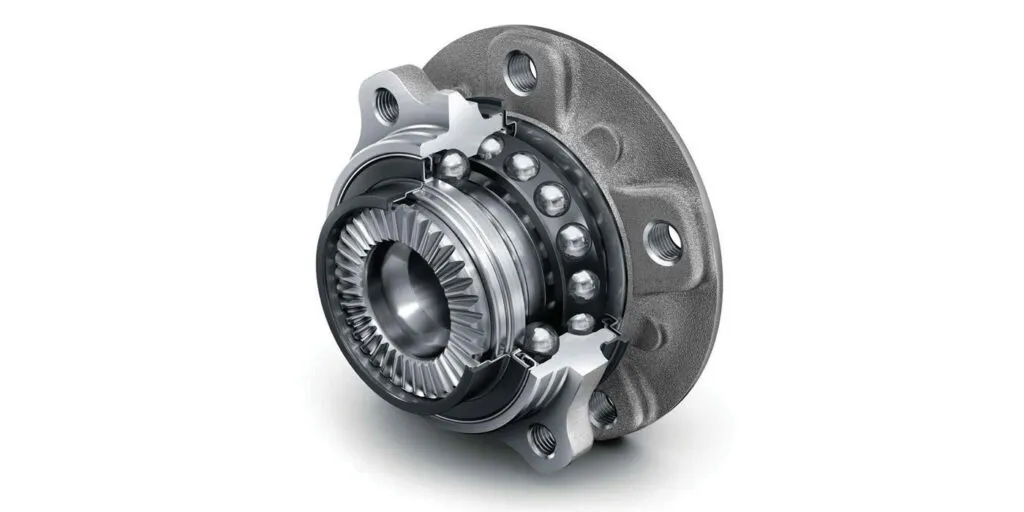
Bearings are the number one cause of roadside trailer breakdowns. Heat, saltwater, and boat-ramp dunking wear them out faster than on a standard car trailer. Spin each wheel by hand
It should turn smoothly with no grinding, wobble, or resistance. If you hear noise or feel play in the hub, don’t tow it. Repacking or replacing bearings is quick and inexpensive compared to a breakdown on the highway.
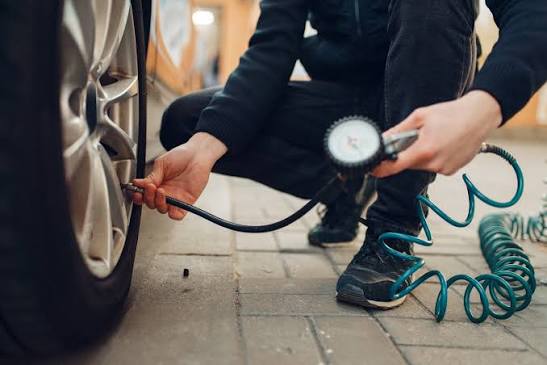
Tires and Air Pressure
Trailer tires age even when they’re barely used.
Florida heat breaks down rubber over time, regardless of tread depth. Check the sidewalls for cracking, check the date code (inspect closely if tires are 5–6 years or older), and always check pressure cold before towing.
Underinflated tires overheat and are a leading cause of blowouts.
Lights and Wiring
Nothing ends a launch day faster than a trooper flagging you down for a dead brake light.
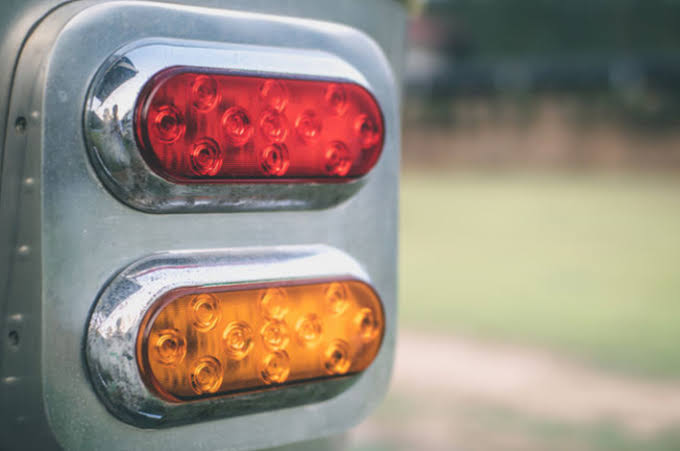
Saltwater corrodes trailer wiring quickly, especially at the connector. Before you leave, plug in and have someone confirm brake lights, turn signals, and running lights all work.
A light coat of dielectric grease on the connector goes a long way in salt air.
Winch, Straps and Bunks
Check that the winch strap isn’t frayed and the ratchet holds tension.
Inspect the bunks or rollers the boat rests on — dry-rotted carpet or a stuck roller can scratch the hull or let the boat shift in transit.
This is also a good time to confirm the safety chains and coupler are in good shape.